By Supply Chain Intel | Practical warehouse, inventory, logistics, and supply chain insights
Supply Chain Analytics: What It Is and Why It Matters
From predicting demand to avoiding costly disruptions, supply chain analytics is reshaping how modern businesses operate and thrive.
Picture this: It's the holiday season. A mid-sized electronics retailer has stocked up on a popular gaming console based on last year's numbers. But this year, a viral social media trend has tripled demand. The shelves go empty in three days. Competitors who anticipated the surge are selling out at full price while raking in the profits. The difference between those two companies isn't luck. It's supply chain analytics.
In today's hyper-connected, fast-moving world, gut instincts and spreadsheets can only take you so far. Businesses that win are the ones making smarter decisions faster using real data. That's exactly what supply chain analytics enables. In this article, we break down what it actually is, how it works in the real world, why it matters more than ever, and what kinds of analytics tools are making it all possible.
You can explore more practical insights in our blog or browse related topics under Analytics & Tools, Inventory Management, and Logistics.
So, What Exactly Is Supply Chain Analytics?
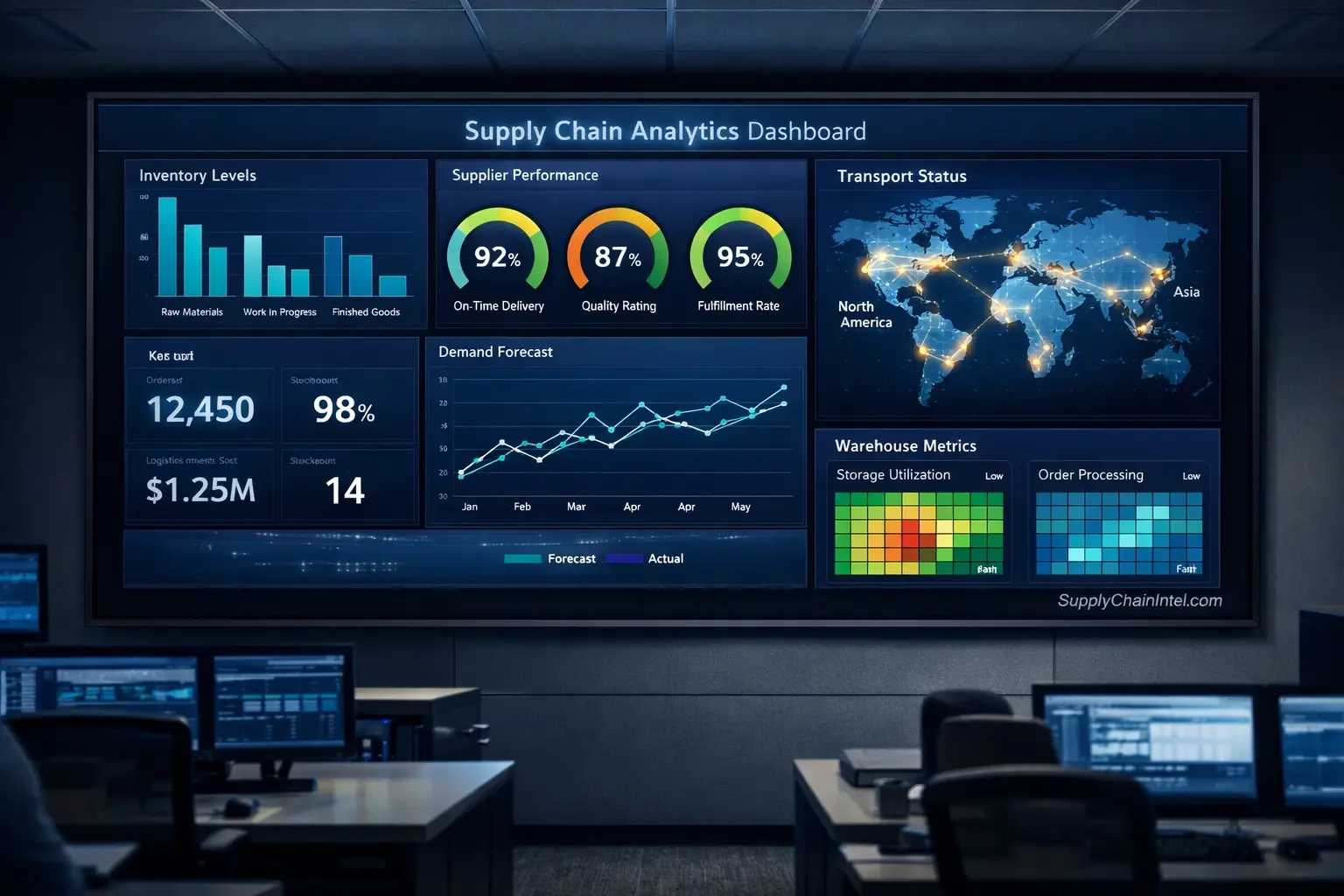
At its core, supply chain analytics is the practice of collecting, processing, and analyzing data from across your supply chain, including suppliers, manufacturers, warehouses, transportation networks, retailers, and customers, to make better decisions.
Think of your supply chain as a living ecosystem. Thousands of data points are generated every single day: shipment times, inventory levels, supplier lead times, customer order patterns, weather disruptions, fuel costs, and more. Supply chain analytics takes all of that raw noise and turns it into actionable intelligence.
The Four Core Types of Supply Chain Analytics
There are four core types of supply chain analytics, each serving a different purpose:
1. Descriptive Analytics
Descriptive analytics answers the question: What happened? For example, which suppliers caused the most delays last quarter?
2. Diagnostic Analytics
Diagnostic analytics answers the question: Why did it happen? For example, was the delay caused by port congestion or supplier issues?
3. Predictive Analytics
Predictive analytics answers the question: What will happen? For example, will there be a demand spike next month based on current trends?
4. Prescriptive Analytics
Prescriptive analytics answers the question: What should we do about it? For example, should you order more stock now or switch to a backup supplier?
Together, these four layers form a data-driven supply chain that does not just react to problems. It anticipates and helps prevent them.
A Real-World Example: How Amazon Does It
You do not have to look far for a masterclass in supply chain analytics. Amazon is arguably one of the world's most sophisticated examples. Their system uses what they call anticipatory shipping. They actually begin moving products toward customers before the customer even places an order, based on predictive models that analyze browsing behavior, wish lists, purchase history, and regional demand.
That is prescriptive analytics working at scale. But even smaller businesses, such as a regional grocery chain, a mid-market fashion brand, or a local auto parts distributor, can now access the same kind of analytical power through modern analytics tools. The technology has become more accessible. The competitive advantage is there for anyone willing to use it.
Why Supply Chain Analytics Matters More Than Ever
Let’s be honest: the last few years have been brutal for supply chains. COVID-19 disrupted manufacturing globally. Shipping container shortages caused delays and cost explosions. A single ship stuck in the Suez Canal cost global trade billions per day. Geopolitical tensions and extreme weather events have only added more uncertainty.
In this environment, operating on intuition alone is a business risk. Here is why supply chain analytics is no longer optional:
1. Demand Volatility Is the New Normal
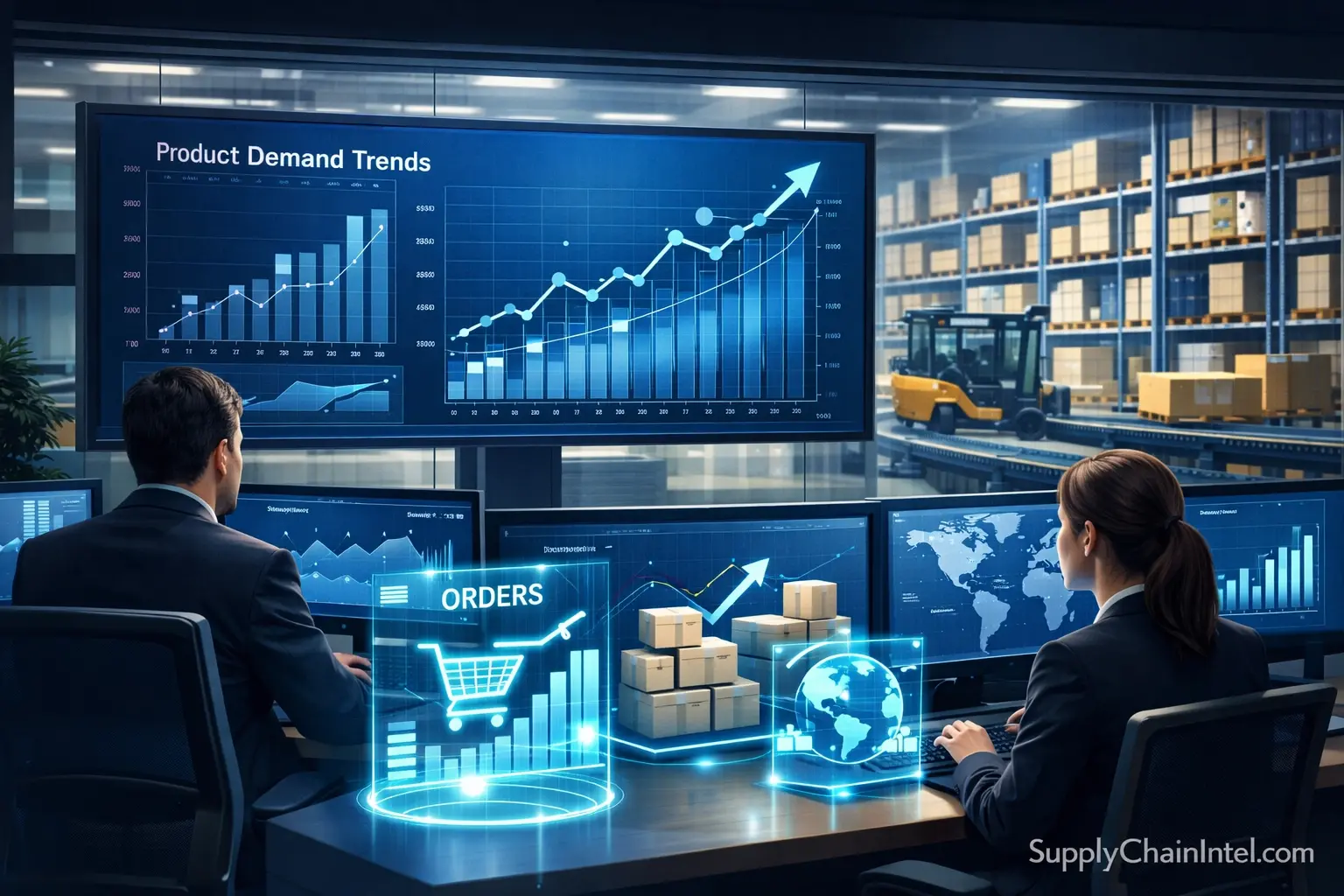
Consumer preferences shift faster than ever, influenced by social media, economic conditions, and global events. A data-driven supply chain helps you respond dynamically rather than being caught flat-footed. Retailers using predictive demand analytics can improve inventory accuracy while reducing overstock and stockout situations.
2. Margins Are Under Constant Pressure
Rising fuel costs, labor shortages, and raw material price volatility squeeze margins from every direction. Analytics helps identify where waste is hiding, whether that is excess safety stock, inefficient routing, or a supplier that is consistently underperforming.
3. Customer Expectations Have Never Been Higher
Two-day delivery. Real-time order tracking. Instant refunds. Customers now expect the Amazon experience from nearly every business they buy from. Supply chain analytics helps companies meet those expectations or exceed them without overwhelming teams or budgets.
4. Risk Management Has Become a Strategic Priority
Whether it is a natural disaster, a supplier going bankrupt, or a geopolitical conflict cutting off a critical raw material, supply chain disruptions expose weak planning fast. Supply chain analytics gives businesses visibility into risks before they become full-blown crises.
Inventory Optimization
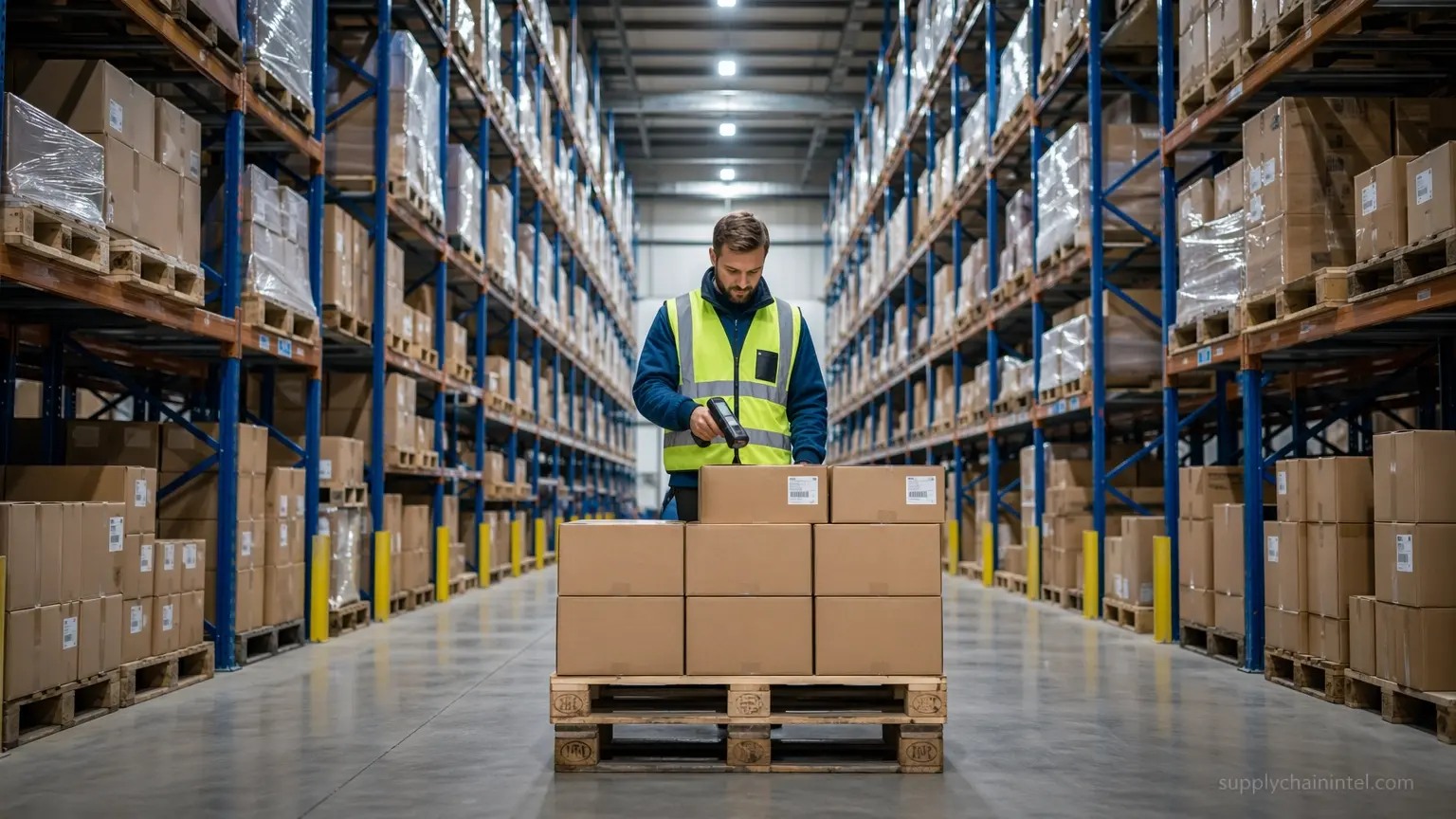
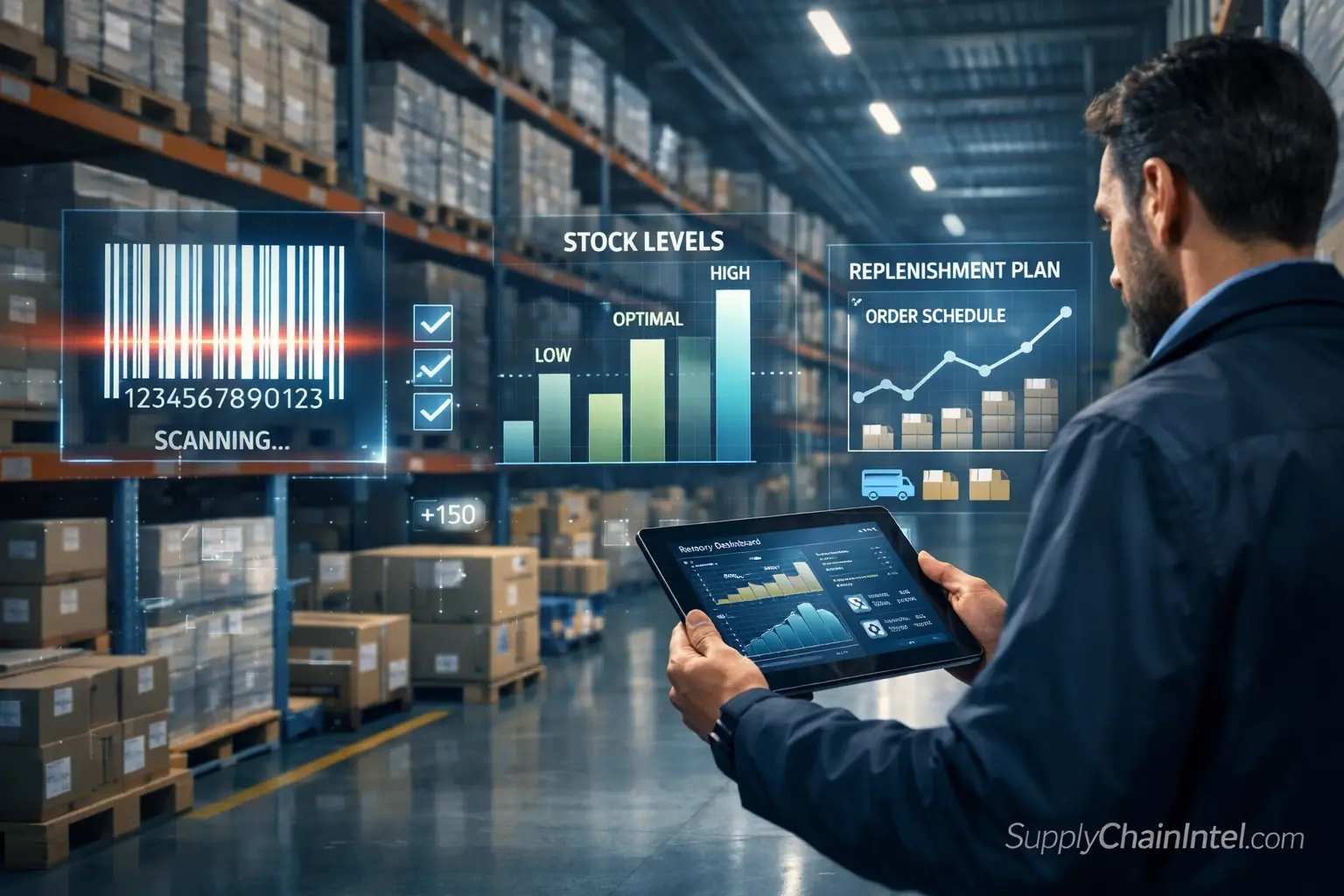
Too much inventory ties up capital. Too little inventory means lost sales. Analytics helps find the balance by analyzing historical sales patterns, seasonality, lead times, and market signals.
A clothing retailer, for example, might use analytics to predict that winter coat demand in the Midwest will peak three weeks earlier than last year due to forecast weather data and adjust orders accordingly.
For related reading, see Inventory Accuracy in Warehouse Operations.
Supplier Performance Management
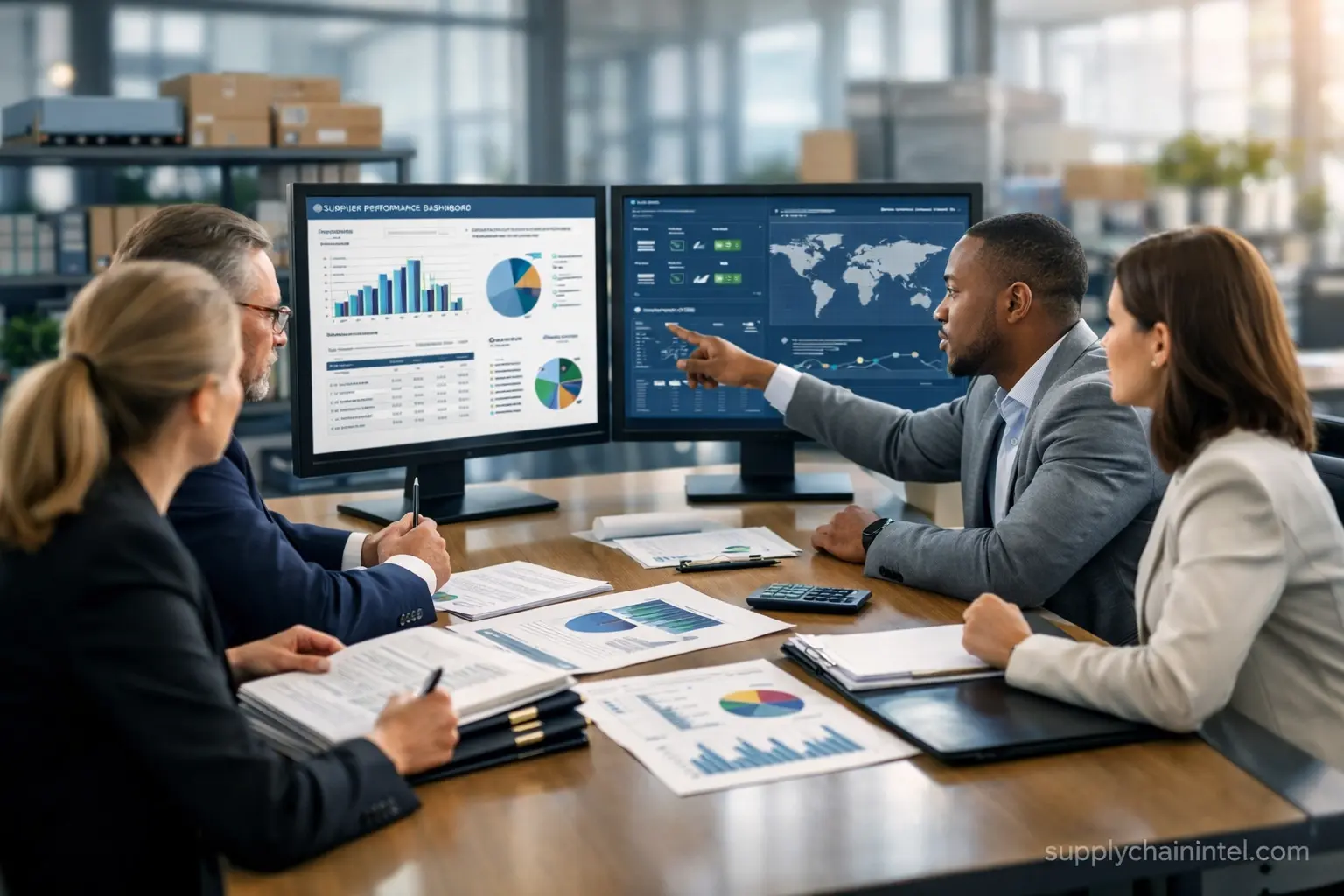
Not all suppliers are created equal. Analytics lets you score and benchmark suppliers on dimensions like on-time delivery, quality defect rates, lead time reliability, and cost.
This is not just about finding problems. It is about building a resilient, high-performance supplier network. Companies using supplier analytics can identify at-risk suppliers early enough to qualify alternatives and reduce disruption exposure.
Transportation and Logistics Efficiency
Route optimization is one of the most tangible ROI opportunities in supply chain analytics. Companies like UPS use analytics to optimize delivery routes, saving miles, fuel, and money every year. Even smaller logistics operations can use analytics tools to reduce fuel consumption, minimize empty miles, and improve on-time delivery rates.
You can also browse more articles in our Logistics section.
Demand Forecasting
The holy grail of supply chain planning, modern demand forecasting goes far beyond simple historical averages. It can incorporate external data sources such as social media trends, economic indicators, weather forecasts, and even news events to generate more accurate predictions.
A grocery chain, for example, might use weather data analytics to predict that a coming snowstorm will drive a spike in bread and milk sales, triggering automatic replenishment orders.
The Analytics Tools Powering Modern Supply Chains
The good news is that you do not need to build a custom analytics platform from scratch. A growing ecosystem of analytics tools is available to help businesses of all sizes build a data-driven supply chain.
Enterprise Resource Planning (ERP) Systems
Platforms like SAP S/4HANA, Oracle SCM Cloud, and Microsoft Dynamics 365 provide integrated supply chain analytics built directly into business operations. They are powerful but often more suitable for mid-sized and large enterprises due to implementation complexity.
Business Intelligence (BI) Tools
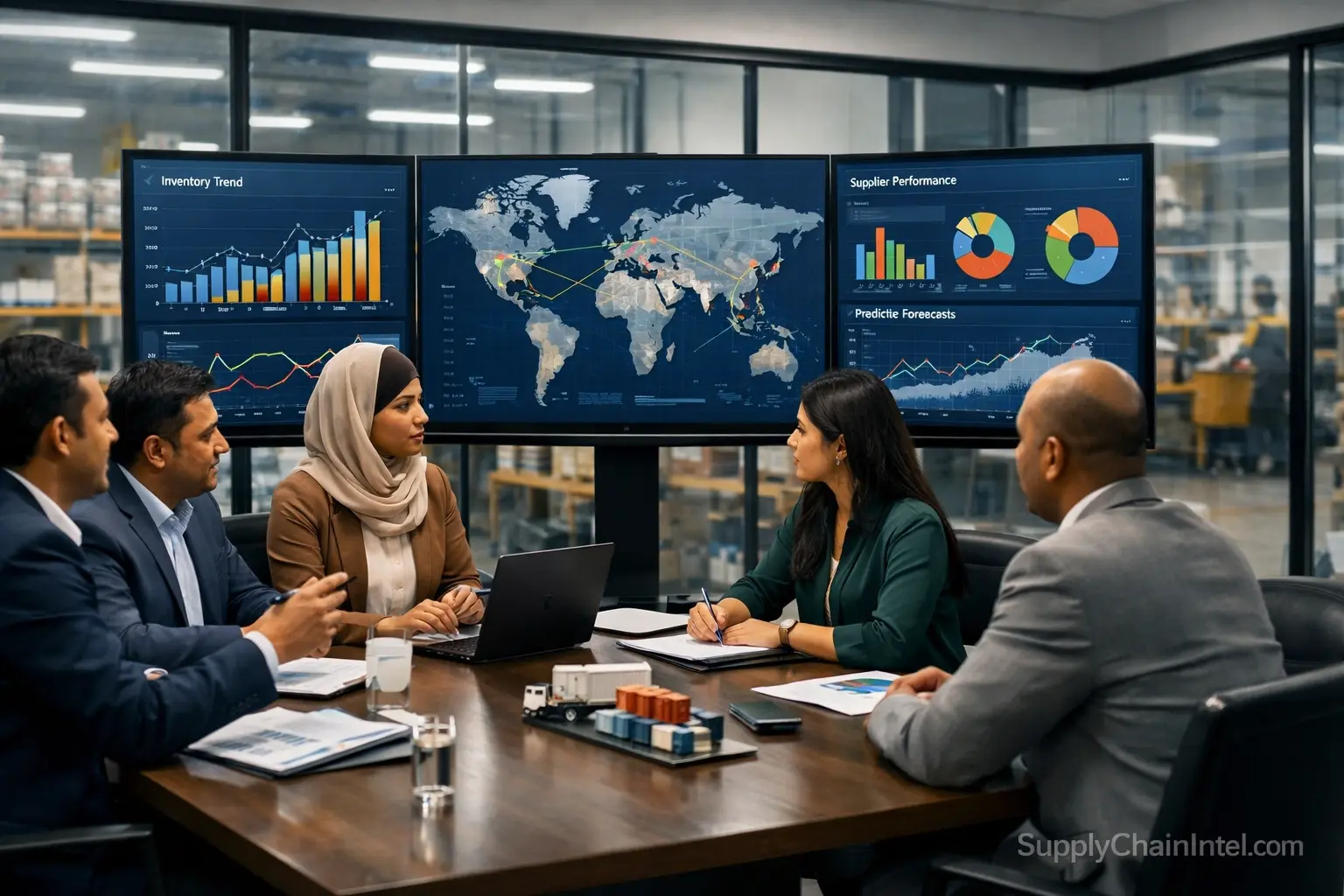
Tools like Tableau, Power BI, and Looker allow supply chain teams to build custom dashboards and visualizations. They are especially useful for descriptive and diagnostic analytics, helping teams understand what is happening and why.
AI and Machine Learning Platforms
For predictive and prescriptive analytics, AI-powered platforms such as o9 Solutions, Llamasoft, and Blue Yonder are leading the way. These tools ingest large datasets and generate recommendations that human planners could not compute manually at scale.
Supply Chain Control Towers
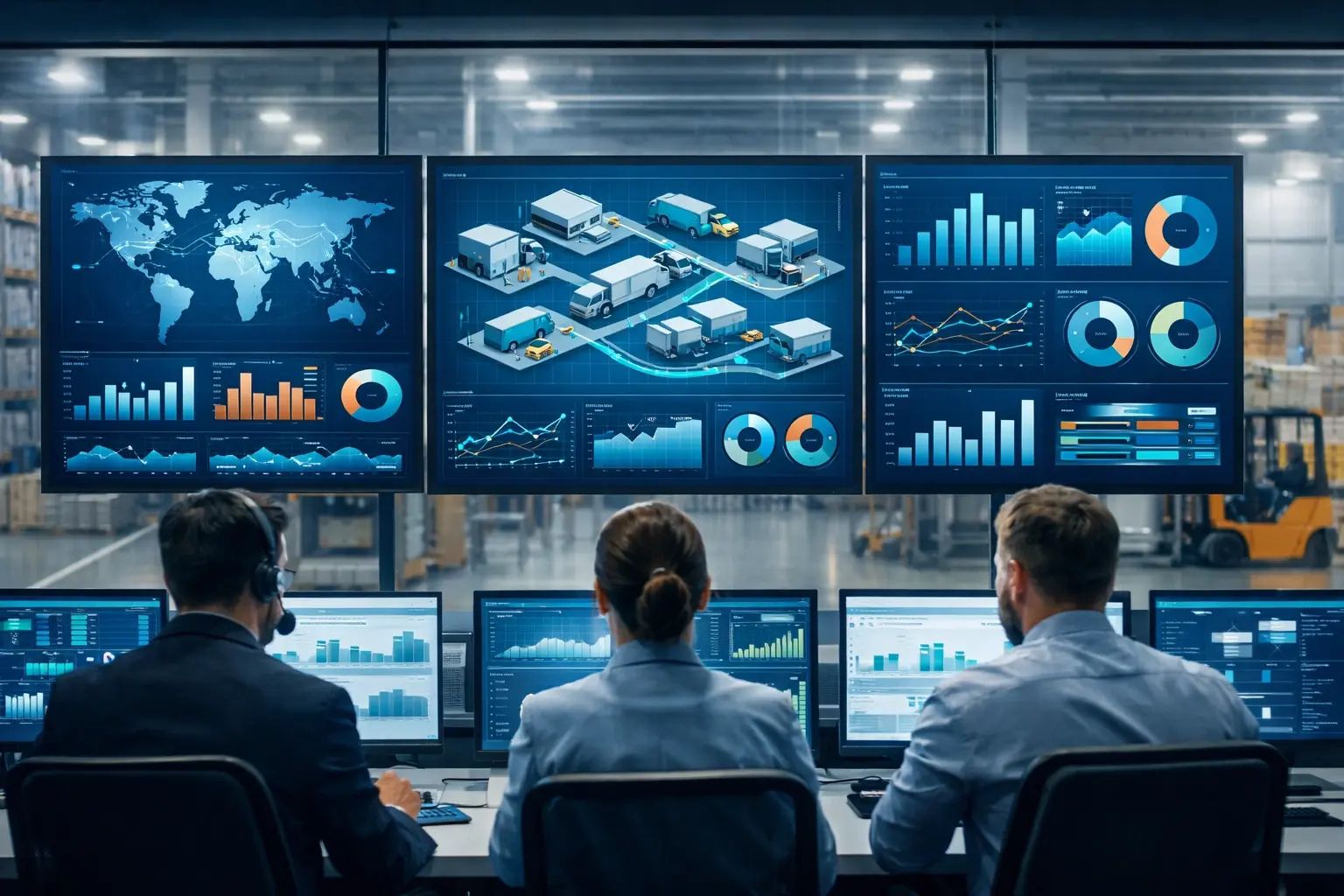
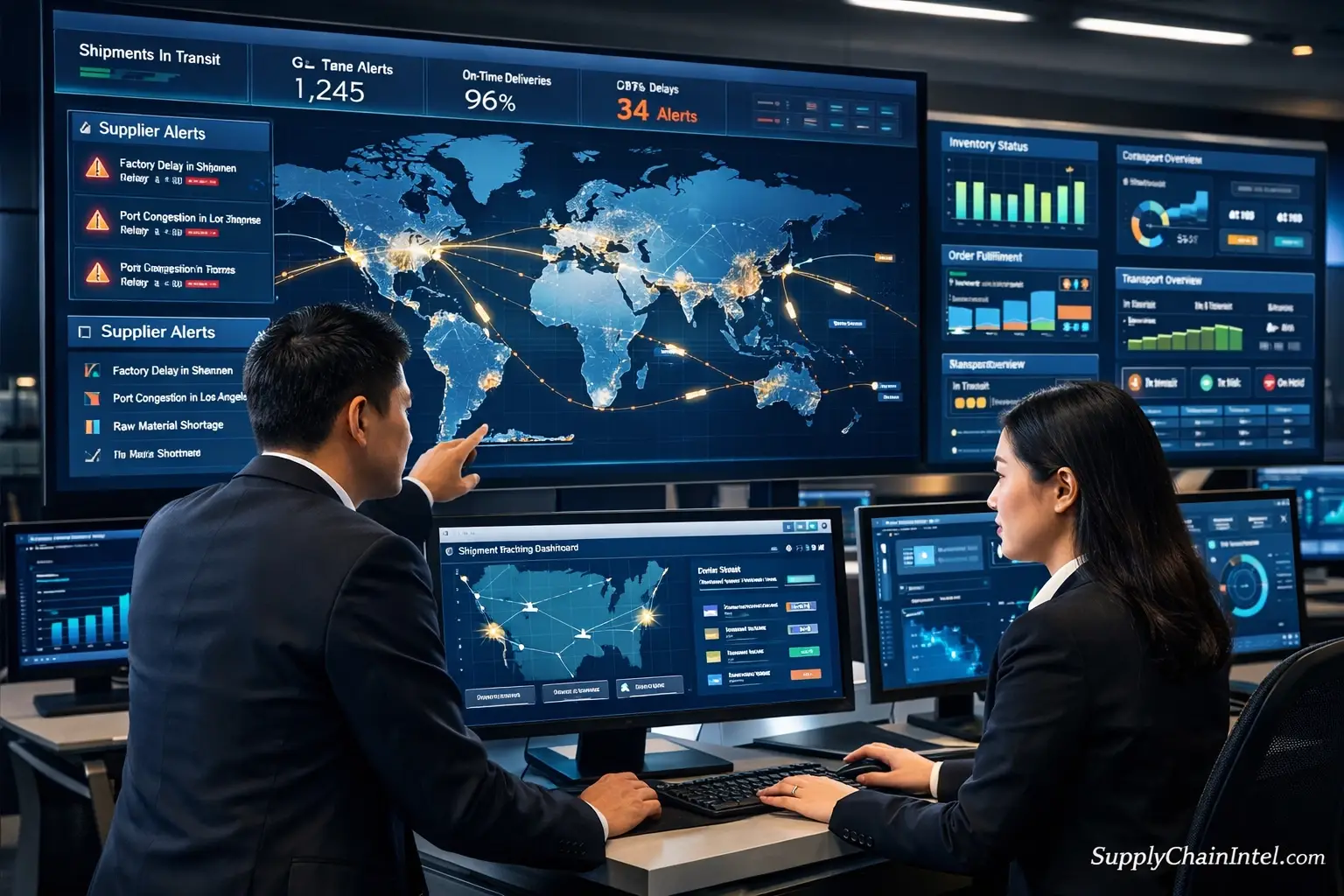
Think of a control tower as your supply chain’s cockpit. Platforms like Kinaxis RapidResponse and E2open provide end-to-end visibility across the entire supply chain from raw materials to final delivery in a single real-time view. When disruptions occur, teams can see impacts immediately and simulate response scenarios before making decisions.
Getting Started: Building a Data-Driven Supply Chain
If you are just beginning your analytics journey, the idea of building a fully data-driven supply chain can feel overwhelming. The truth is, you do not have to do it all at once. Start small, prove value, and scale.
1. Audit Your Current Data
What data do you already collect? Where are the gaps? Inventory data, supplier lead times, and transportation costs are great starting points.
2. Define the Problem You Want to Solve
Do not start with analytics tools. Start with business questions. Are you trying to reduce stockouts, improve on-time delivery, or cut transportation costs?
3. Choose the Right Analytics Tools for Your Size and Needs
A small distributor might start with Power BI dashboards. A large manufacturer might need a full AI-powered platform.
4. Build a Data Culture
Technology alone will not transform your supply chain. Your people need to trust the data and be empowered to act on it.
5. Measure and Iterate
Set clear KPIs before you start. Track them. Adjust your approach. Analytics is not a one-time project. It is a continuous capability.
You may also want to explore more practical insights in our Warehouse Operations, Inventory Management, and Analytics & Tools sections.
The Bottom Line
Supply chain analytics is not a buzzword. It represents a fundamental shift in how competitive businesses operate. The companies that are winning in retail, manufacturing, healthcare, food and beverage, and beyond are the ones that have stopped guessing and started knowing.
They know when demand is about to spike before it happens. They know which suppliers are at risk of failing before they do. They know exactly where cost savings are hiding in their logistics network. They know because they have invested in building a data-driven supply chain powered by the right analytics tools.
Remember that electronics retailer from the beginning of this article? The one whose shelves went empty during the holiday season? They did not fail because the demand was not predictable. They failed because they did not have the tools to predict it.
Your supply chain is generating data every single day. The question is: are you using it? Because somewhere, a competitor is, and they are getting smarter, faster, and more efficient with every passing month.
The time to start is now. Not when the next disruption hits. Now.
 warehouse operations and logistics performance data">
FAQ
What is supply chain analytics in simple terms?
Supply chain analytics is the process of using data from sourcing, inventory, transportation, warehousing, and customer demand to make better decisions across the supply chain.
Why is supply chain analytics important?
It helps businesses improve forecasting, reduce costs, manage risks, optimize inventory, and respond faster to disruptions and changing customer demand.
What are the main types of supply chain analytics?
The four main types are descriptive, diagnostic, predictive, and prescriptive analytics. Together, they help businesses understand what happened, why it happened, what is likely to happen next, and what action to take.
What tools are used in supply chain analytics?
Common tools include ERP systems, BI dashboards, AI and machine learning platforms, and supply chain control towers that provide real-time visibility and scenario planning.
Can small businesses use supply chain analytics?
Yes. Small and mid-sized businesses can start with simple dashboards, reporting tools, and focused use cases such as inventory optimization or supplier performance tracking before scaling further.