
By Supply Chain Intel | Practical warehouse, inventory, logistics, and supply chain insights
Vendor Management Best Practices: What Actually Works (And What Doesn’t)
Let me guess, you’ve been burned by a vendor before. Maybe a supplier missed a critical deadline, or a service provider delivered something so far from what was promised that you had to scramble at the last minute. If so, you’re not alone. Poor vendor management is one of the most quietly expensive problems businesses face, yet it rarely gets the strategic attention it deserves.
This article cuts through the generic advice and gets into what actually moves the needle when managing vendors, from setting up smart supplier performance evaluation systems to defining vendor KPIs that your team will actually use. Whether you’re a procurement manager, operations lead, or a founder wearing too many hats, this guide is for you.
You can explore more practical insights in our blog or browse related topics under Procurement and Analytics & Tools.

What Is Vendor Management, Really?
Vendor management is the end-to-end process of sourcing, onboarding, monitoring, and nurturing relationships with the external suppliers and service providers your business depends on. But here’s the thing most definitions miss: it’s not just about managing contracts. It’s about managing relationships, risk, and results, simultaneously.
Think about it. Your vendors aren’t just transactional partners. They’re extensions of your business. When your packaging supplier is late, your customer feels it. When your software vendor has an outage, your team feels it. The ripple effect of vendor performance runs deep, which is exactly why having a structured approach matters so much.
Why Most Businesses Get Vendor Management Wrong
Here’s a pattern that plays out in companies of all sizes: you onboard a vendor with a lot of enthusiasm, sign a contract, and then mostly forget about them until something goes wrong.
Vendor management becomes reactive instead of proactive. Issues get escalated only after they’ve already caused damage. Performance conversations happen once a year during contract renewal, if at all. There’s no consistent supplier performance evaluation in place, and vendors quickly figure out they won’t be held accountable.
The result? Mediocre service, inflated costs, and a frustrating cycle of switching vendors without addressing the root cause: a lack of structure on your end.
Best Practice #1: Start With a Vendor Tiering System
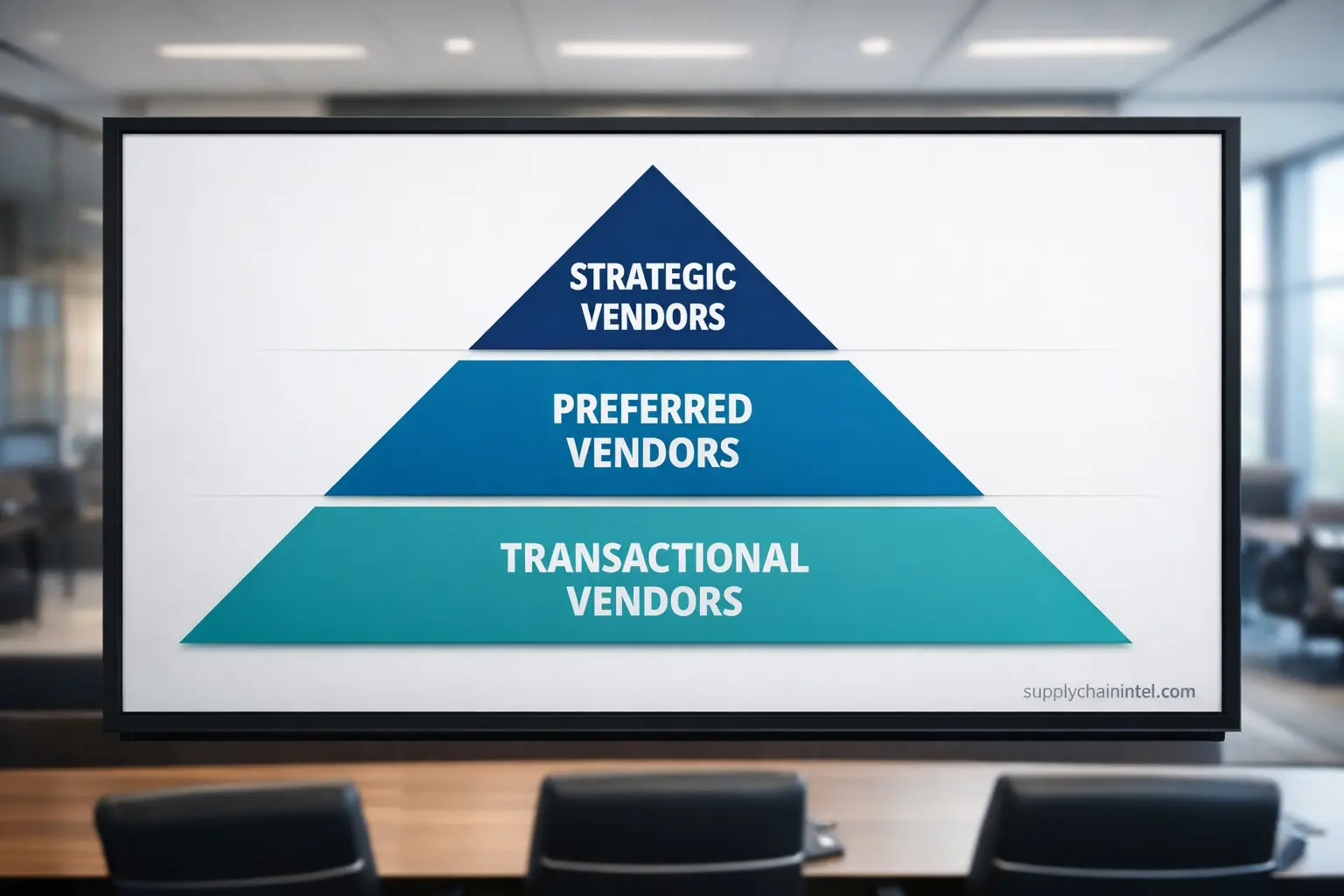
Not all vendors are created equal, and managing them as if they are is a waste of time and energy. One of the smartest things you can do is segment your vendors into tiers based on their criticality to your business.
A simple three-tier model works well for most organizations:
- Tier 1 – Strategic Vendors: These are mission-critical partners. Think core technology providers, key raw material suppliers, or anyone whose failure would significantly disrupt your operations. These vendors deserve the most attention, the most formal oversight, and regular relationship investment.
- Tier 2 – Preferred Vendors: Important but not existential. You rely on them regularly, but you could pivot if needed. These get moderate oversight and periodic performance reviews.
- Tier 3 – Transactional Vendors: Low-spend, low-risk, often interchangeable. Manage these efficiently with standardized processes and minimal hands-on time.
Once you’ve tiered your vendors, you can allocate your team’s energy proportionally. This alone saves hours every month.
Best Practice #2: Build a Supplier Performance Evaluation Framework
This is where a lot of organizations stumble. They know they should be evaluating suppliers, but they don’t have a consistent way to do it. Evaluations become subjective, sporadic, or nonexistent.
A solid supplier performance evaluation framework answers three questions:
1. What are we measuring?
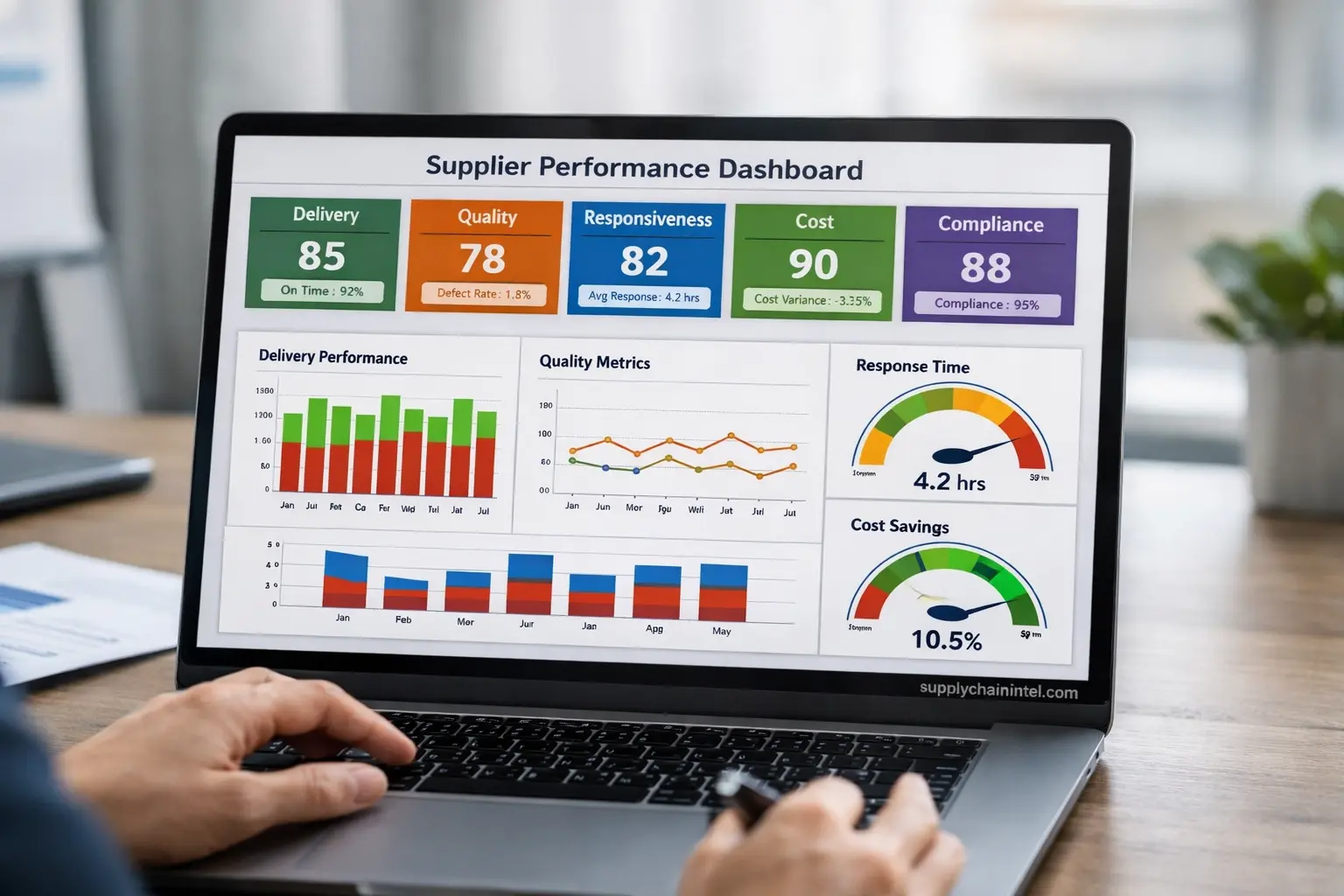
Define clear performance criteria upfront. Common categories include quality, delivery reliability, cost competitiveness, responsiveness, and compliance.
2. How are we measuring it?
Decide whether you’ll pull data from your ERP system, gather feedback from internal stakeholders, conduct site visits, or use a combination. The more data-driven, the better. Gut feelings are notoriously unreliable at scale.
3. How often are we measuring it?
Tier 1 vendors might warrant monthly scorecards. Tier 2 might be quarterly. Tier 3 could be annual or triggered by an issue.
The output of this process should be a scorecard, a simple, visual summary that tells both your team and the vendor exactly how performance stacks up. When vendors see their scores, things tend to improve. It’s remarkable what a little transparency and accountability can do.
Best Practice #3: Define Vendor KPIs That Actually Mean Something
Vendor KPIs (Key Performance Indicators) are only useful if they’re specific, measurable, and tied to outcomes that actually matter to your business. Vague KPIs like “good communication” or “quality products” aren’t actionable. Here’s what meaningful vendor KPIs look like in practice:
Delivery Performance
- On-Time Delivery Rate: Percentage of orders delivered by the agreed date
- Lead Time Accuracy: Actual lead time vs. quoted lead time
Quality Metrics
- Defect Rate: Number of defective units per total units received
- Return/Rejection Rate: Percentage of shipments returned or rejected
Responsiveness
- Average Response Time: How quickly does the vendor respond to queries or issues?
- Issue Resolution Time: How long does it take to resolve a reported problem?
Financial
- Invoice Accuracy Rate: Percentage of invoices that match purchase orders without discrepancies
- Cost Variance: Actual spend vs. budgeted spend
Compliance
- Contract Compliance Rate: Are they meeting the terms they agreed to?
- Regulatory Compliance: Are they meeting industry standards, certifications, or legal requirements?
A practical tip: start with five to seven KPIs per vendor, not twenty. More metrics don’t mean better insight, they mean more noise. Focus on what matters most for each vendor’s role in your supply chain.
For more operational insights, you can also browse our Analytics & Tools category.
Best Practice #4: Make Communication a Two-Way Street
One thing that separates great vendor managers from average ones is how they approach communication. It’s not just about sending performance reports and expecting improvement. It’s about creating an environment where vendors feel comfortable flagging issues before they become crises.
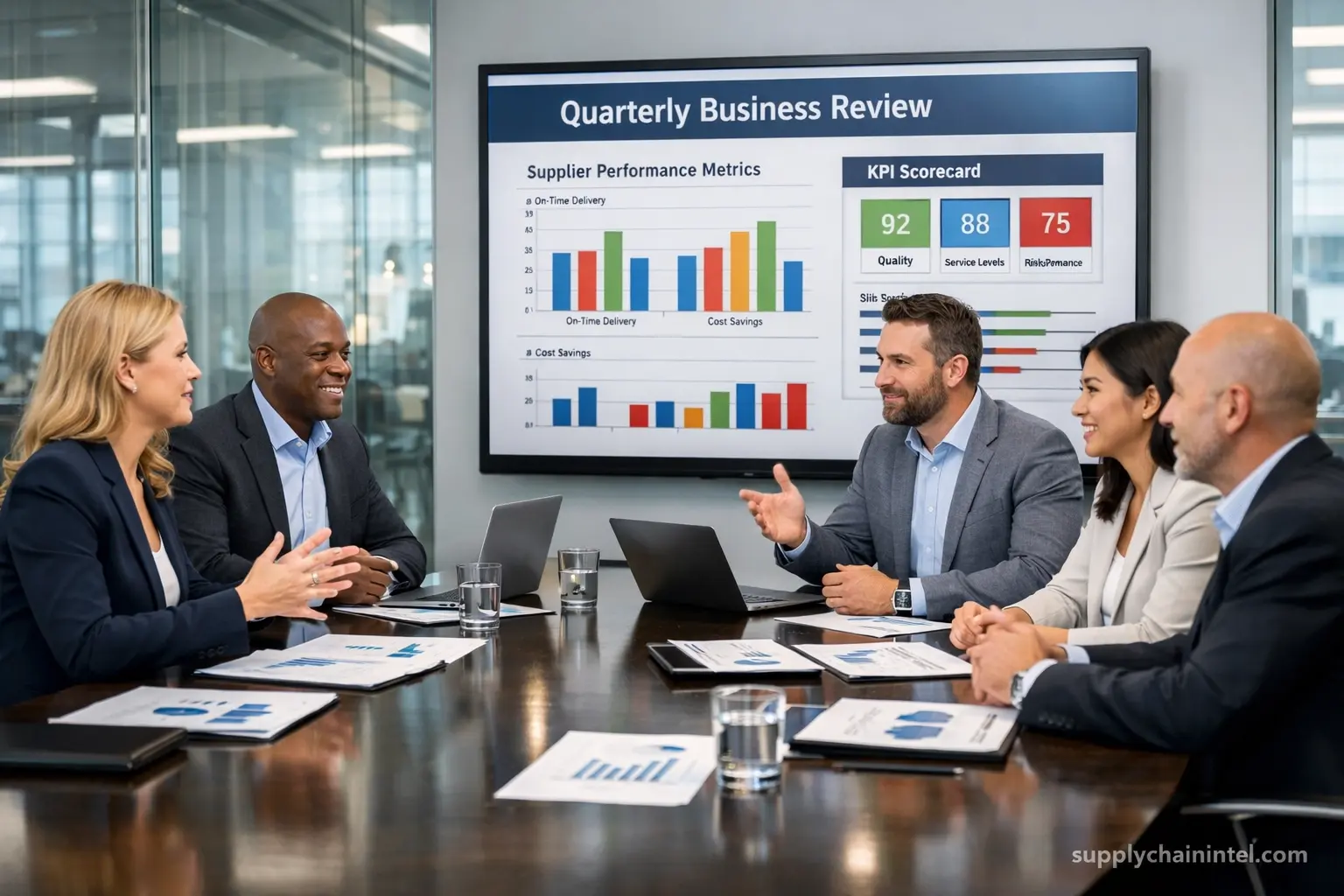
Schedule regular business reviews with your Tier 1 vendors, quarterly at a minimum, monthly for the most critical ones. Come prepared with data. Share your scorecard. Ask open-ended questions. What challenges are they facing? Are there things on your end that are making their job harder? What do they need from you to perform better?
You’d be surprised how often vendor problems trace back to unclear requirements, late purchase orders, or slow approvals on the buyer’s side. Good vendor management requires a little humility, and a lot of honest conversation.
Best Practice #5: Don’t Skip the Onboarding Process
A vendor relationship is won or lost in the first 90 days. Yet onboarding is one of the most underinvested parts of vendor management.
Good onboarding should cover:
- Clear documentation of expectations, processes, and communication protocols
- Introduction to key contacts on both sides
- Walkthrough of your ordering, invoicing, and compliance requirements
- A short pilot period with closer-than-usual oversight
When vendors understand exactly what you expect from the start, you avoid a lot of the friction that comes later. Think of onboarding as an investment in fewer headaches down the road.
Best Practice #6: Have a Vendor Risk Management Plan
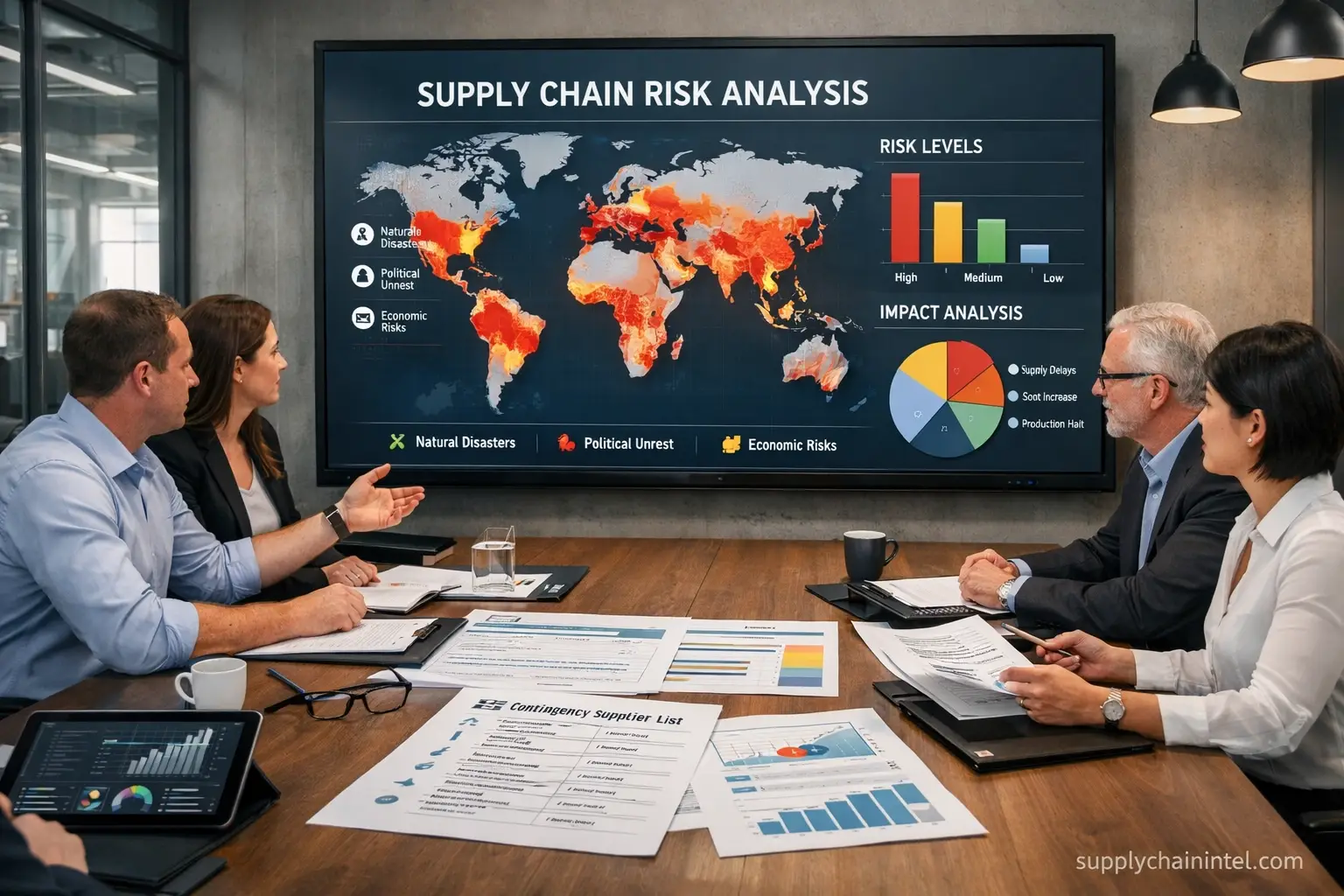
Every vendor relationship carries risk, financial risk, operational risk, reputational risk. Good vendor management means you’ve thought about what happens if a key supplier suddenly can’t deliver.
For each Tier 1 vendor, ask yourself:
- What happens to my business if this vendor fails?
- Do I have a backup supplier identified?
- Is this vendor financially stable?
- Are they dependent on a single geography or source material that could be disrupted?
You don’t need to treat every vendor like a potential disaster. But for your most critical partners, having a contingency plan isn’t paranoia, it’s good business. COVID-19 taught a lot of supply chain leaders this lesson the hard way. The businesses that had backup suppliers on file recovered far faster than those scrambling to find alternatives in real time.
Best Practice #7: Use Technology Wisely
There’s no shortage of vendor management software out there, and the right tool can make a significant difference, especially as your vendor base grows. A good platform centralizes vendor data, automates scorecard tracking, manages contracts, and flags renewals before they sneak up on you.
That said, technology is only as good as the process behind it. If your supplier performance evaluation process is broken, software just makes it faster to get the wrong answers. Get the fundamentals right first, then layer in tools to scale what’s working.
Some popular platforms worth exploring include SAP Ariba, Coupa, and Jaggaer for enterprise-level needs, or simpler tools like Airtable or Notion for smaller teams just getting started.
Best Practice #8: Reward High-Performing Vendors
Here’s something a lot of businesses forget: vendor management isn’t just about flagging problems. It’s also about recognizing great performance.
When a vendor consistently hits their KPIs, delivers ahead of schedule, or goes above and beyond during a crunch, acknowledge it. This could be as simple as a formal letter of appreciation, preferred vendor status, or early access to new contracts. Strategic vendors who feel valued are more likely to prioritize your business when capacity gets tight, and in competitive supply chains, that matters more than most people realize.
Treating vendors as true partners, not just cost centers to squeeze, tends to generate far better long-term outcomes.
Bringing It All Together
Effective vendor management isn’t complicated, but it does require consistency. Here’s a simple framework to anchor everything:
- Tier your vendors so you know where to focus
- Set clear KPIs upfront and document them in your contracts
- Evaluate supplier performance on a regular cadence using data, not just impressions
- Communicate proactively and treat vendors as partners, not just providers
- Onboard thoroughly so expectations are crystal clear from day one
- Plan for risk with contingency options for your most critical vendors
- Use technology to scale what works
- Reward excellence to build loyalty and long-term reliability
The businesses that do this well don’t just avoid vendor disasters, they build supply chains that become genuine competitive advantages. When your vendors trust you, communicate openly with you, and feel accountable to real metrics, the whole relationship shifts. You stop fighting fires and start building something that actually works.
And the next time a vendor misses a deadline, you’ll have the data, the framework, and the conversation already in place to handle it, without the scramble.
Investing in vendor management is investing in the reliability of your entire business. Start small, stay consistent, and build from there. The payoff, in saved time, reduced costs, and fewer sleepless nights, is absolutely worth it.
Continue exploring more supply chain content through our blog and category pages for Procurement and Analytics & Tools.

FAQ
What is vendor management in supply chain operations?
Vendor management is the process of selecting, onboarding, monitoring, evaluating, and improving relationships with suppliers and service providers. It helps businesses control costs, reduce risks, improve service quality, and maintain supply continuity.
Why is supplier performance evaluation important?
Supplier performance evaluation helps businesses measure how well vendors meet expectations for quality, delivery, responsiveness, cost, and compliance. Without a structured review process, vendor issues often remain unnoticed until they create major operational or financial problems.
What are the most important vendor KPIs?
The most useful vendor KPIs often include on-time delivery rate, defect rate, lead time accuracy, invoice accuracy, issue resolution time, and contract compliance. The right mix depends on the vendor’s role and how critical that vendor is to your operations.
How often should vendor performance be reviewed?
Strategic or Tier 1 vendors are usually reviewed monthly or quarterly. Tier 2 vendors may be reviewed quarterly, while Tier 3 vendors may only need annual reviews or issue-based monitoring.
What is a vendor tiering system?
A vendor tiering system groups suppliers by criticality, risk, spend, or strategic importance. This helps teams prioritize time and oversight where the business impact is highest.
How can businesses reduce vendor risk?
Businesses can reduce vendor risk by reviewing supplier stability, keeping backup sourcing options, monitoring location-based dependency, and preparing contingency plans for critical vendors.